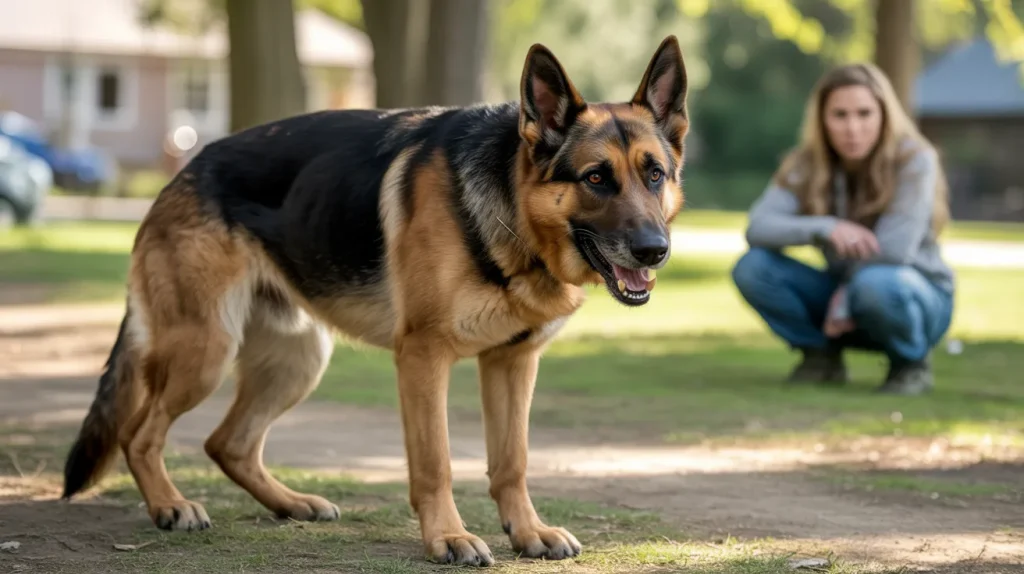
Understanding aggressive dog breeds is one of the most misunderstood topics in the pet world. As a pet content writer and someone who has worked closely with dogs in training environments, I’ve seen how quickly labels can mislead owners into fear or, on the other side, overconfidence.
The truth is simple but important: aggression in dogs is rarely about a “bad breed.” It is more about behavior, environment, training, and human responsibility. In this guide, we’ll break down what aggression really means, why it happens, and how to manage it responsibly using real-world experience and practical advice.
Content
What Does “Aggressive Dog Breeds” Really Mean?
The term aggressive dog breeds is often used online to categorize dogs that may show stronger protective instincts or higher energy levels. However, in professional pet behavior studies, aggression is not a breed identity—it is a behavioral response.
Dogs may display aggression due to fear, stress, lack of training, or poor socialization. This is why experts prefer focusing on dog behavior problems instead of labeling entire breeds as dangerous.
From my experience working with pet owners, I’ve noticed that even gentle breeds can show aggression if raised in unstable environments, while traditionally labeled strong breeds can be extremely calm with proper care.
Causes of Aggression in Dogs
To understand aggression properly, we need to look at the root causes rather than just the breed label. Many cases fall under canine aggression causes, which include fear or anxiety triggers, lack of early socialization, protective instincts, past trauma or abuse, poor training methods, and environmental stress.
Aggression is often a communication tool for dogs. When a dog feels threatened or confused, it reacts. This is why labeling dogs as dangerous dog breeds without context is misleading and scientifically weak.
In many cases I’ve personally observed, aggression disappears significantly once the dog is placed in a stable home and introduced to structured training routines.
Are Some Dog Breeds Naturally Aggressive?
This is one of the most searched questions online: what are the most aggressive dog breeds in the world
The honest answer is that no breed is naturally aggressive by default. However, some breeds may have traits like high prey drive, strong guarding instincts, higher energy levels, and protective behavior toward owners.
These traits are often mistaken for aggression. In reality, they are working-dog characteristics that require proper guidance.
For example, a guard dog without training may appear reactive, but the same dog with structure and exercise becomes highly obedient and stable.
This is why professionals emphasize understanding temperament instead of fear-based labeling of dangerous dog breeds.
Signs of Aggression in Dogs You Should Never Ignore
Recognizing early signs is critical. Dogs rarely become aggressive without warning. Common indicators include growling or stiff posture, excessive barking at triggers, guarding food or toys, sudden snapping behavior, and avoidance followed by sudden reaction.
These behaviors are often part of deeper dog behavior problems and should not be ignored.
Early intervention is the key difference between manageable behavior and long-term issues.
How to Train Aggressive Dog Breeds Properly
Training is the most important factor in shaping behavior. If you are dealing with strong or reactive behavior, the goal is not punishment—it is communication and structure.
Early socialization helps introduce dogs to people, animals, and environments so they develop confidence. Positive reinforcement encourages calm behavior through rewards instead of punishment. Consistent commands reduce confusion and build discipline. Controlled exposure helps dogs slowly adjust to triggers in a safe way.
Many owners search for how to handle aggressive dog behavior safely, and the most important rule is to never respond with aggression. Dogs mirror energy.
Another important concern is learning how to train aggressive dog breeds properly, which requires patience, consistency, and often professional support in serious cases.
Are Aggressive Dog Breeds Safe for First-Time Owners?
A common question is: are aggressive dog breeds safe for first-time owners
The answer depends less on the breed and more on the owner’s experience.
First-time owners often struggle with reading dog body language, maintaining consistent discipline, and understanding energy needs. Because of this, even non-aggressive dogs can become challenging without proper guidance.
For strong or protective breeds, first-time owners should consider professional training support to avoid long-term behavioral issues.
Prevention and Socialization: The Real Game Changer
Prevention is always better than correction. Proper socialization during early life stages reduces the risk of aggression significantly.
Key preventive steps include exposure to different people and environments, daily physical exercise, mental stimulation activities, and structured training routines.
Dogs thrive on routine. Without it, stress builds up and behavioral issues develop over time.
Real-Life Case Study: “Max the Misunderstood Dog”
One of the most memorable cases I encountered involved a dog named Max, a large mixed-breed dog brought to a shelter for “aggressive behavior.”
Max had been labeled as dangerous due to frequent barking, leash pulling, and snapping when strangers approached.
At first glance, people assumed he was one of those aggressive dog breeds. However, behavior analysis showed something different: fear-based reactions, lack of early socialization, and inconsistent handling by previous owners.
We started with controlled exposure to calm environments, positive reinforcement techniques, daily structured walks, and gradual human interaction sessions.
Within eight weeks, Max’s behavior improved significantly. He was no longer reactive and eventually became adoptable.
Max was never truly aggressive. He was simply misunderstood and untrained.
Responsible Dog Ownership Matters More Than Breed Labels
One of the most important takeaways is that behavior depends heavily on ownership.
A responsible owner focuses on training consistency, emotional understanding, physical and mental stimulation, and proper socialization.
Blaming breeds alone ignores the real issue: human responsibility.
Final Thoughts
Understanding aggressive dog breeds requires moving beyond fear-based assumptions. Dogs are complex emotional animals shaped by environment, training, and experience. Instead of asking which breeds are dangerous, the better question is how to raise and train a dog responsibly.
When we shift the focus from labeling to learning, we create safer homes for both dogs and humans.
A well-trained dog is not aggressive—it is simply understood.
If you’re interested in friendly and calm companion dogs, you may also want to explore the Basset Hound Mix, known for its gentle nature and family-friendly temperament.
FAQs
What are the top 10 most aggressive dogs?
Some commonly listed breeds in studies and public reports include Rottweiler, Pit Bull Terrier, German Shepherd, Doberman Pinscher, Akita, Chow Chow, Siberian Husky, Alaskan Malamute, Boxer, and Bullmastiff. However, behavior depends more on training and environment than breed alone.
Which dog has the highest aggression?
There is no scientifically confirmed “most aggressive” dog. Dogs often labeled highly aggressive are typically strong guarding or working breeds, but aggression varies based on upbringing, socialization, and training.
Which dog eats more food?
Large and giant breeds such as Great Dane, Saint Bernard, and Mastiff-type dogs generally consume more food due to their body size, metabolism, and energy requirements.
What breeds do apartments not allow?
Apartment restrictions vary by location and landlord policies, but often include large or strong breeds such as Pit Bulls, Rottweilers, Dobermans, and Akitas. Always check local housing rules before choosing a pet.