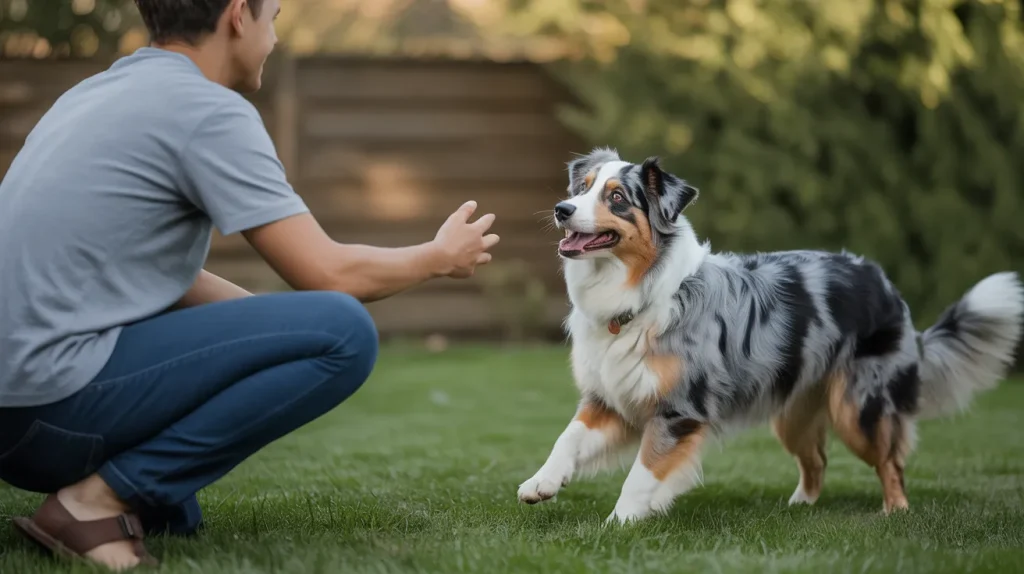
If you’re searching for a smart, energetic, and highly loyal companion, the Mini Australian Shepherd—often called the Mini Aussie dog—is probably already on your radar. As a pet content writer and long-time dog enthusiast, I’ve worked with many herding breeds, but the Mini Aussie stands out for one big reason: they behave like a full-time job wrapped in a loving, intelligent package.
In this detailed guide, I’ll walk you through everything you need to know about the Mini Australian Shepherd temperament, care, training, exercise needs, and a real-life case study that shows what it’s really like to raise this breed.
Content
What is a Mini Australian Shepherd and How Big Do They Get?
The Mini Australian Shepherd is a smaller version of the standard Australian Shepherd, bred to maintain intelligence and herding ability in a more compact body. Despite the name, it does not originate from Australia.
Most owners first ask, what is a Mini Australian Shepherd and how big do they get?
On average, they stand 13–18 inches tall and weigh between 20–40 pounds. Their lifespan typically ranges from 12 to 15 years. Although small in size, they are extremely athletic and energetic dogs that require an active lifestyle.
This breed still carries strong working instincts, meaning they thrive when given a job or structured activity such as agility, obedience training, or interactive games.
Are Mini Australian Shepherds Good Family Dogs?
A common question is whether Mini Australian Shepherds are good family dogs.
The answer is yes, but only for the right type of family. They are ideal for active households that enjoy outdoor activities and can provide daily exercise. They are not well suited for low-energy homes or owners who are away for long hours.
From experience, families who treat this breed as a companion in daily activities rather than a passive pet tend to have the most success.
Temperament: Smart, Loyal, and High Energy
The miniature Aussie temperament is one of the most defining aspects of this breed. They are highly intelligent, quick learners, and deeply loyal to their families.
However, their intelligence can be a challenge if not properly managed. A bored Mini Aussie can become destructive, vocal, or anxious. This is why mental stimulation is just as important as physical exercise.
When it comes to the Mini Australian Shepherd temperament with children and families, they are generally excellent companions. They are playful, affectionate, and protective, but early socialization is important. Without it, they may try to herd children by nipping or circling.
Overall, they are best suited for families who are active and willing to invest time in training and engagement.
Care: What You Must Know
Proper Mini Australian Shepherd care requires consistency and commitment.
Exercise Needs
One of the most important aspects of ownership is understanding Mini Australian Shepherd exercise needs per day. They require at least 60 to 120 minutes of physical activity daily along with mental stimulation. Without this, behavioral problems can quickly develop.
Grooming
Their double coat sheds throughout the year and more heavily during seasonal changes. Regular brushing two to three times a week is necessary, with more frequent grooming during shedding seasons. Bathing every four to six weeks is usually sufficient.
Health Considerations
This breed may be prone to hip dysplasia, eye issues, and occasional neurological conditions. Routine veterinary care is important to maintain long-term health.
How to Train a Mini Australian Shepherd Puppy at Home
Training a Mini Aussie is both rewarding and challenging due to their intelligence and independent thinking.
For those wondering how to train a Mini Australian Shepherd puppy at home, early training is essential. Begin socialization and basic obedience as early as eight to ten weeks of age.
Positive reinforcement works best. They respond strongly to treats, praise, and play rewards. Short training sessions of 10 to 15 minutes are more effective than long sessions.
Focus on obedience commands, leash training, and mental stimulation activities. Puzzle toys and interactive games are especially helpful for this active dog breed.
Mini Australian Shepherd Care Tips for First-Time Owners
First-time owners should understand a few key principles before adopting this breed.
Daily exercise should never be skipped. Interactive toys and mental stimulation should be part of their routine. They should not be left alone for long periods, as they may develop separation anxiety or destructive behavior. Early socialization and consistent rules are essential for raising a balanced dog.
Many behavioral issues in this breed come from misunderstanding their energy levels and intelligence rather than the dog itself.
Real-Life Case Study: Max the Overly Smart Mini Aussie
Max was a ten-week-old Mini Australian Shepherd adopted by a young couple living in a suburban home. They were attracted to his size, appearance, and playful nature.
Within two weeks, Max began chewing furniture, barking excessively, herding the family cat, and attempting to escape the yard. The owners believed something was wrong with the dog.
The issue was not Max’s behavior but a lack of structure and stimulation.
A new routine was introduced. Max began receiving daily structured exercise, including morning walks, puzzle feeding sessions, and evening training activities. His energy was redirected into obedience and agility-based games.
Within three weeks, his behavior changed significantly. He became calmer indoors, more obedient, and deeply bonded with his owners.
This case highlights an important lesson. The Mini Australian Shepherd is not a difficult dog, but it is a highly intelligent one that requires purpose and engagement.
Pros and Cons of the Mini Australian Shepherd
Pros include high intelligence, strong loyalty, excellent trainability, and suitability for active lifestyles.
Cons include high energy requirements, potential separation anxiety, consistent training needs, and moderate to heavy shedding.
Final Thoughts: Is This the Right Breed for You?
The Mini Australian Shepherd is a lifestyle breed rather than a low-maintenance pet. It requires time, energy, and commitment from its owner.
For active individuals or families, it can be one of the most rewarding companions. For those seeking a calm or independent pet, it may not be the right fit.
Understanding the Mini Australian Shepherd breed before adoption is the key to building a healthy and long-lasting relationship with this intelligent and energetic dog.
Learn more about Aggressive Dog Breeds and understand which dog breeds may show protective or reactive behavior in certain situations.
FAQs
Are Mini Aussies good house dogs?
Yes, Mini Australian Shepherds can be good house dogs if their daily exercise and mental stimulation needs are properly met. Without enough activity, they may become restless indoors.
Do Mini Aussies bark a lot?
Mini Aussies can be vocal, especially if they are bored, anxious, or not properly trained. Early training and consistent routines can help control excessive barking.
How much does a Mini Australian Shepherd cost?
The cost of a Mini Australian Shepherd varies depending on the breeder, location, and lineage. On average, prices can range from moderate to high, especially for well-bred puppies.
Do Mini Aussie shed a lot?
Yes, Mini Australian Shepherds shed moderately throughout the year and more heavily during seasonal coat changes. Regular brushing helps manage shedding effectively.