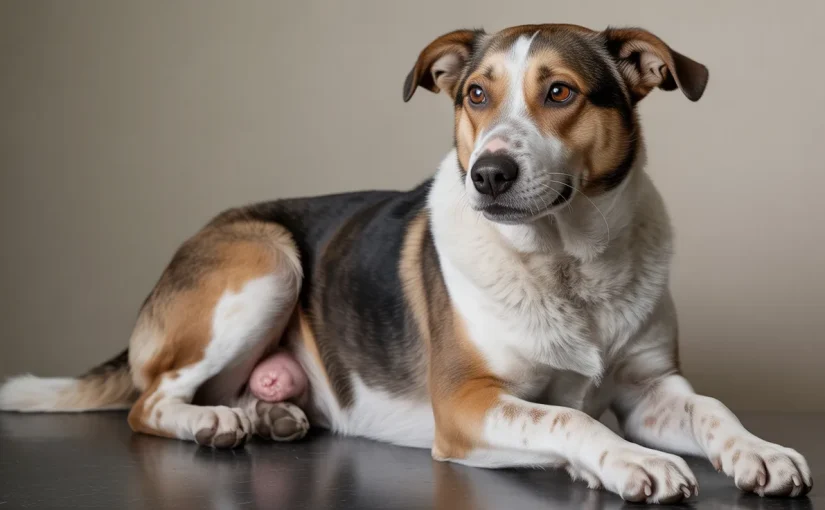
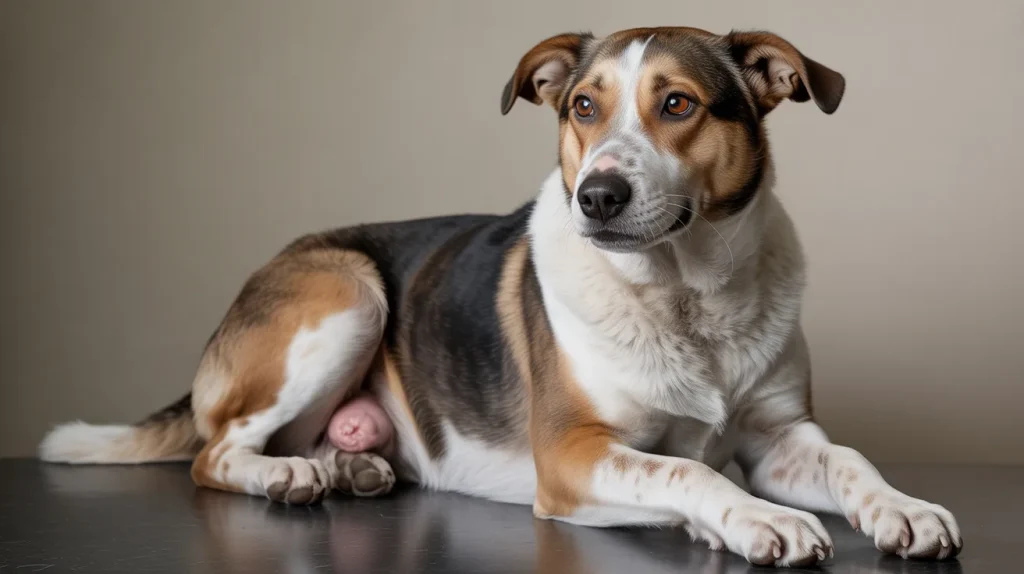
Paraphimosis in dogs is a painful and stressful condition that can worry any pet owner. It happens when a dog’s penis comes out of the sheath and is unable to return to its normal position. This can quickly lead to swelling, dryness, and discomfort if not treated in time.
As someone who has seen similar emergency cases in dogs, I can say early recognition and fast action make a huge difference in recovery. In many cases, timely care prevents serious complications and helps the dog return to normal health within a short period.
Content
What Is Paraphimosis in Dogs?
Paraphimosis in dogs occurs when the penis remains exposed outside the prepuce and cannot retract back inside. This is different from a normal erection, as the tissue stays stuck and begins to dry out.
When the penis remains exposed for too long, blood flow becomes restricted, leading to swelling and pain. In severe cases, the tissue can become damaged or infected.
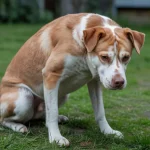
Many pet owners first notice a swollen or irritated appearance and may observe their dog constantly licking the area or showing signs of discomfort.
Signs and Symptoms You Should Watch For
The condition can develop suddenly, and recognizing early symptoms is very important. Common signs include:
Penis remains visible and does not retract
Swelling or redness of the exposed tissue
Excessive licking of the genital area
Discomfort, restlessness, or whining
Dry or irritated appearance of the penis
Difficulty urinating in severe cases
Some dogs may also appear anxious or avoid movement due to pain.
If these symptoms appear, it is important to take action quickly.
Causes of Paraphimosis in Dogs
There are several possible reasons why this condition develops. In many cases, it is related to physical irritation or mechanical obstruction.
Common causes include:
Hair or debris trapped around the penis
Trauma or injury during play or mating
Prolonged or excessive erection
Inflammation or swelling of the tissue
Neurological or muscular issues affecting normal function
Rare anatomical abnormalities
Sometimes owners notice that their dog’s penis is not going back inside after excitement or activity, which is often an early warning sign.
Why This Condition Needs Immediate Attention
Paraphimosis should always be treated as a serious condition. When the penis stays exposed for too long, the tissue starts to dry and swell. This makes it even harder for it to return to normal position.
If ignored, the condition can lead to:
Restricted blood flow
Tissue damage
Infection
Permanent complications in severe cases
Quick action helps prevent long-term damage and reduces recovery time.
How Vets Diagnose the Condition
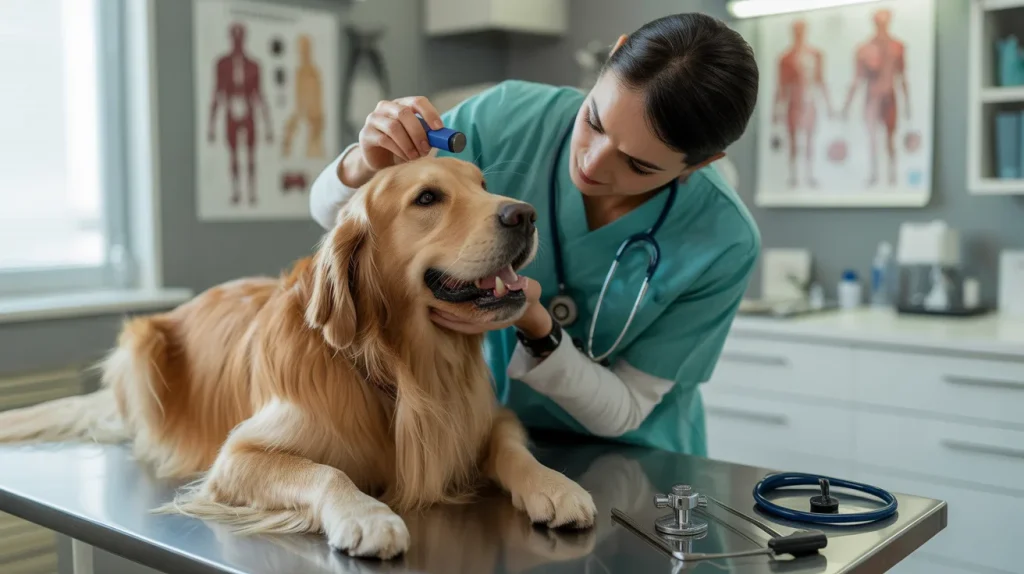
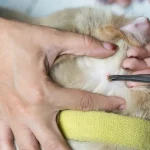
Veterinarians usually diagnose paraphimosis through a physical examination. They carefully check the penis and surrounding area to assess swelling, dryness, and possible causes such as hair entrapment or injury.
In some cases, further evaluation may be needed if an underlying health issue is suspected.
Treatment depends on how severe the condition is, but early intervention usually leads to a fast recovery.
In mild cases, veterinarians may gently clean the area, apply lubrication, and carefully reposition the penis back into the sheath. Cold compresses are often used to reduce swelling and improve circulation.
Medications such as anti-inflammatory drugs and pain relief may be prescribed to ease discomfort. If infection is present, antibiotics may also be needed.
In more severe cases, additional procedures may be required to control swelling or prevent recurrence. These treatments are usually very effective when started early.
Recovery and Care After Treatment
Most dogs recover well after treatment, especially when the condition is addressed quickly. Recovery time can vary depending on severity, but many dogs improve within a few days.
During recovery, it is important to keep the area clean and prevent the dog from licking excessively. A protective collar may be recommended by the vet to avoid further irritation.
Owners should monitor the area closely for any signs of swelling returning or discomfort continuing.
A Real-Life Case Example
A Labrador named Max once developed this condition after rough outdoor play. His owner noticed that his penis was exposed and swollen, and he seemed uncomfortable and restless.
They immediately took him to a veterinary clinic. The vet diagnosed paraphimosis caused by hair irritation and mild trauma.
Treatment included cleaning the area, applying lubrication, reducing swelling, and carefully repositioning the tissue. Medication was also given to reduce inflammation.
Within two days, Max showed clear improvement, and by the end of the week, he had fully recovered. Early action prevented complications and ensured a smooth recovery.
How to Prevent Paraphimosis in Dogs
While not all cases can be prevented, some simple care steps can reduce the risk:
Regular grooming helps prevent hair from getting trapped in sensitive areas. After outdoor play, checking for dirt or debris can also be helpful.
Avoiding excessive rough play that may cause injury is important, especially in active dogs. Monitoring your dog’s behavior and physical condition regularly can help you notice early signs before they become serious.
Final Thoughts
Paraphimosis in dogs is a condition that can look alarming, but it is highly treatable when addressed quickly. The most important thing is recognizing the symptoms early and seeking veterinary help without delay.
With prompt care, most dogs recover fully and return to normal comfort within a short time. As a pet owner, your awareness and quick response can make a major difference in your dog’s health and well-being.
If you’re interested in another popular breed, read our detailed guide on the Mini Australian Shepherd to learn about its temperament, care needs, and lifestyle suitability.
FAQs
How do you fix paraphimosis in dogs?
Paraphimosis in dogs is treated by reducing swelling, cleaning the area, lubrication, and gently repositioning the penis. Severe cases require veterinary treatment or medication to prevent complications.
How long can a dog have paraphimosis?
Paraphimosis in dogs should be treated immediately. If left untreated, it can worsen within hours as swelling increases, making it harder to correct and increasing the risk of tissue damage.
What is “I love you” in dog language?
Dogs show affection through licking, tail wagging, relaxed body posture, and seeking closeness with their owner, which are natural ways they express trust and bonding.
What is the silent killer in dogs?
Many serious conditions in dogs, such as internal infections or organ diseases, can progress silently without early symptoms, which is why regular vet checkups are important.