Stress Colitis In Dogs is a common yet often misunderstood digestive condition that can cause sudden diarrhea, discomfort, and anxiety for both pets and owners. As a pet health writer and someone who has observed this condition in real clinical situations, I can say it often appears suddenly—usually after a stressful event—and can look concerning even though it is not life-threatening in most cases.
This guide explains what the condition is, why it happens, how to recognize it early, and how to support your dog’s recovery effectively.
Content
What Is Stress Colitis In Dogs?
Stress Colitis In Dogs refers to inflammation of the large intestine (colon) triggered by stress or anxiety. The colon plays an important role in absorbing water and forming solid stool. When inflammation occurs, digestion speeds up, resulting in loose stools or diarrhea.
This condition is often classified as acute colitis in dogs, meaning it appears suddenly and typically lasts for a short period.
Unlike infections or parasitic diseases, stress colitis is primarily linked to emotional or physical stress rather than direct pathogens.
What Causes Stress Colitis In Dogs?
Dogs are highly sensitive to changes in environment, routine, and emotional state. Even minor disruptions can affect their digestive system.
Common triggers include:
Boarding in kennels or daycare
Traveling or moving to a new home
Loud noises such as fireworks or thunderstorms
Sudden dietary changes
Separation anxiety
Veterinary visits or hospitalization
These triggers activate the gut-brain connection, which can result in canine stress diarrhea.
In many cases, symptoms appear within 24 to 48 hours after a stressful event.
Symptoms of Stress Colitis In Dogs
Early recognition of symptoms can help prevent the condition from worsening. Common signs include:
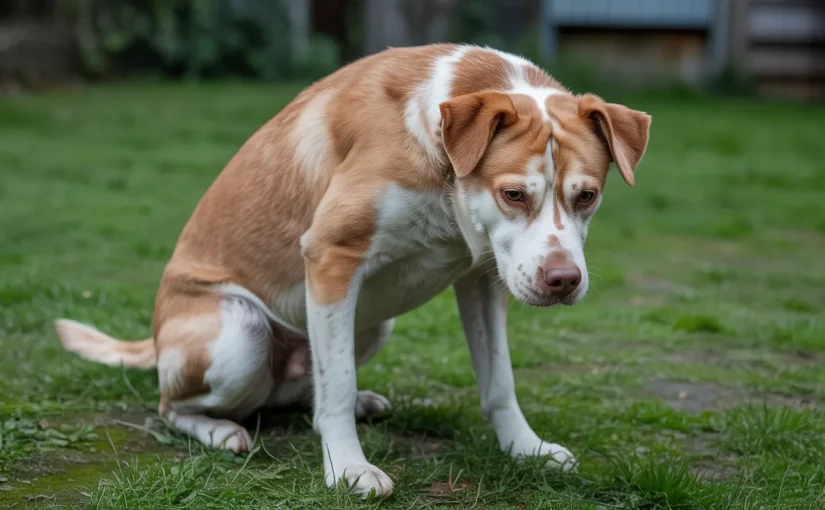
Frequent soft stool or diarrhea
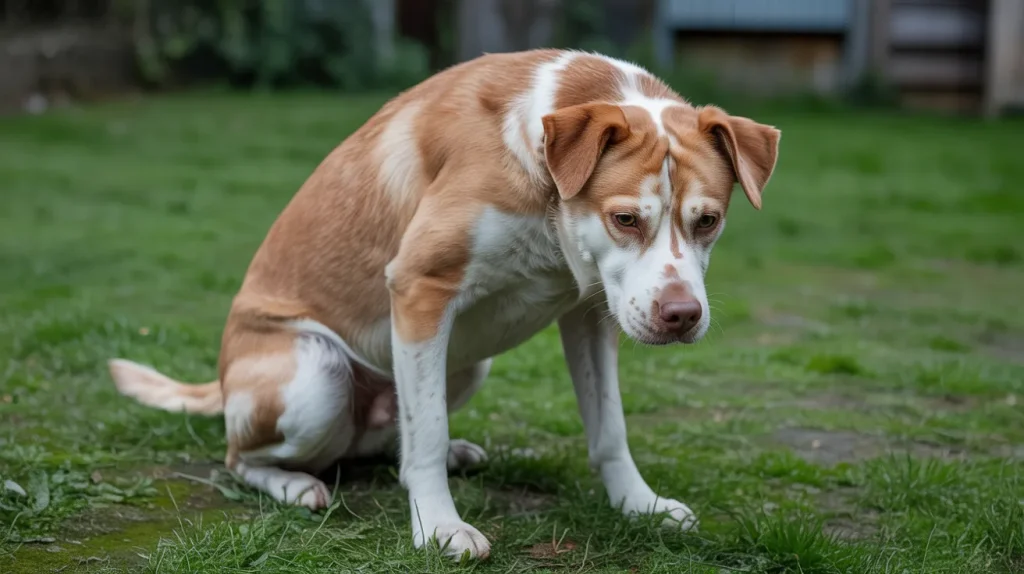
Straining during bowel movements
Mucus or blood in stool
Sudden urgency to defecate
Accidents inside the house
Mild abdominal discomfort
A common question among dog owners is whether stress can cause bloody diarrhea in dogs. In some cases, inflammation of the colon can result in small amounts of fresh blood or mucus in stool. While this may appear alarming, it is often manageable when treated early.
Some dogs may also show mild lethargy or reduced appetite, but many remain otherwise active.
How Veterinarians Diagnose Colitis Caused by Stress
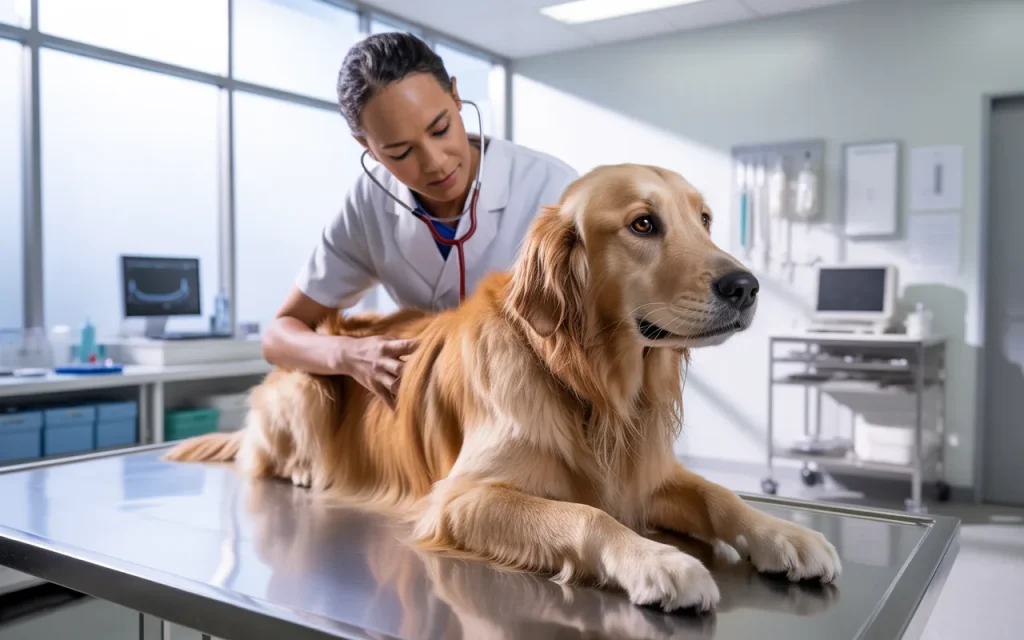
Diagnosis is typically based on clinical history and observed symptoms. Veterinarians usually ask about:
Recent stressful events
Changes in diet or routine
Duration and severity of symptoms
To rule out other conditions, diagnostic tests may include:
Stool analysis to check for parasites or infections
Blood tests to evaluate overall health
Physical abdominal examination
Because stress colitis shares symptoms with other gastrointestinal disorders, accurate diagnosis is important before starting treatment.
How to Treat Stress Colitis In Dogs
Treatment depends on severity, but most mild cases resolve within a few days with supportive care.
1. Dietary Adjustment
A bland diet such as boiled chicken and rice is often recommended to reduce strain on the digestive system.
2. Hydration Support
Diarrhea can lead to dehydration, so constant access to fresh water is essential. In more severe cases, veterinary-administered fluids may be required.
3. Probiotics
Probiotics help restore healthy gut bacteria and improve digestion and stool consistency.
4. Medication (if required)
In moderate or severe cases, veterinarians may prescribe anti-inflammatory medications or gastrointestinal protectants.
A frequently asked question is how long stress colitis lasts in dogs. In most cases, symptoms improve within 2 to 5 days when stress is managed and appropriate care is provided.
Recovery is often faster when emotional stress is also reduced.
Helpful home care steps include:
Maintaining a calm environment
Avoiding sudden changes in routine
Feeding small, frequent meals
Ensuring proper hydration
Providing reassurance and comfort
Emotional stability plays an important role in digestive recovery.
Real-Life Case Study: Bella’s Stress-Related Colitis
A notable case involved a 4-year-old Labrador named Bella. Her owner placed her in a boarding facility for the first time during a family trip.
Within 36 hours of returning home, Bella developed frequent diarrhea with mucus. Despite the symptoms, she remained alert and playful but showed signs of mild discomfort.
After veterinary evaluation, she was diagnosed with stress colitis in dogs, triggered by separation anxiety and environmental change.
Her treatment plan included:
Bland diet consisting of chicken and rice
Probiotics to restore gut balance
Increased hydration
A calm and stress-free home environment
Within three days, her stool returned to normal.
The most important factor in her recovery was not only medical treatment but also emotional reassurance and reduced anxiety triggers.
Stress Colitis vs Other Digestive Disorders
It is important to differentiate stress colitis from other gastrointestinal conditions.
Key differences include:
Stress colitis appears suddenly after a stressful event
Infectious diarrhea may include fever, vomiting, or prolonged illness
Chronic digestive disorders persist or recur frequently over time
If symptoms last more than a few days, veterinary evaluation is necessary.
Prevention Tips for Dog Owners
Preventing stress colitis is often easier than treating it.
Effective prevention strategies include:
Maintaining a consistent daily routine
Avoiding sudden dietary changes
Gradually introducing travel or boarding experiences
Managing anxiety through training and environmental enrichment
Ensuring regular physical exercise and mental stimulation
Dogs with stable routines and low stress levels are significantly less likely to experience digestive flare-ups.
Final Thoughts
Stress Colitis In Dogs is a condition that can look alarming but is often manageable with proper care. Symptoms such as diarrhea, mucus in stool, and urgency are uncomfortable but usually temporary.
Early recognition, dietary support, hydration, and stress reduction are key to recovery. Most dogs improve within a few days and return to normal health.
If your dog shows unusual symptoms, it’s also important to learn about Paraphimosis In Dogs and how this condition can affect your pet’s health.
FAQs
How long does stress diarrhea last in dogs?
Usually 2–5 days, but duration may vary depending on stress level, diet, and overall health condition.
What are the symptoms of end stage colitis in dogs?
Severe chronic diarrhea, weight loss, weakness, dehydration, and frequent urgency with possible blood in stool.
Will colitis in dogs go away on its own?
Mild cases may improve naturally, but most dogs recover faster with diet support, hydration, and vet-guided care.
What is the best treatment for colitis in dogs?
Best treatment includes bland diet, probiotics, hydration support, and vet-prescribed medication in moderate or severe cases.