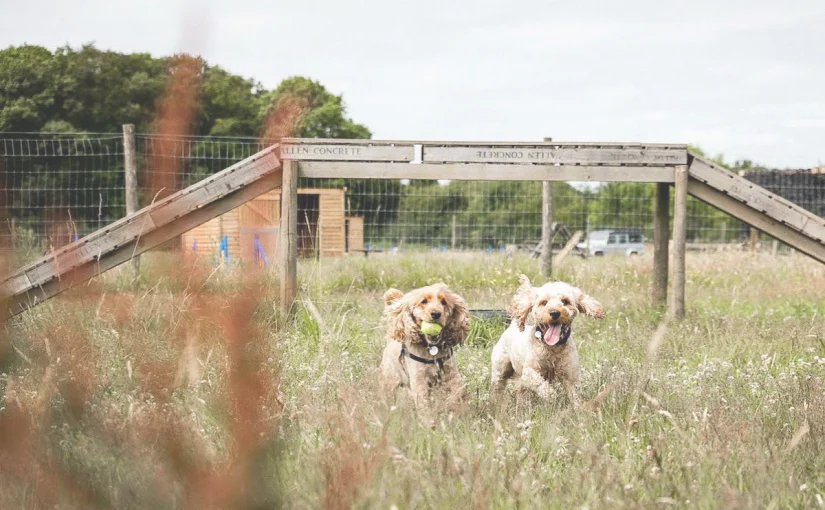
Modern pet care in West London isn’t about booking a dog walker—it’s about managing a now recognized sentient being in one of the most scrutinized urban environments on the planet. Proactive routines, structured environments, and expert oversight are no longer optional—they’re essential. Pet ownership has entered a “perfect storm” of dense housing, heightened legislation, and an evolved human-animal bond.
That means owners need professional day care providers who understand space as a resource, can mitigate isolation stress, and navigate the “neighbourhood friction” that arises when uncontrolled barking, unexpected interactions, or overexcited dog behaviour threatens both social and legal harmony.
Content
1. Specialisation over Generalisation: Curated Care That Actually Works
Drop a puppy into a generalist environment with larger dogs, cats, or mismatched groups, and the impact is slow, invisible, and cumulative: anxiety builds, confidence erodes, and behaviour subtly shifts. However, specialised dog day care in London flips this upside down with deliberate care, where every minute of the dog’s day is pre-engineered for a specific developmental outcome. It’s not reactive; it’s deliberate.
Here’s what that looks like in practice:
Curated playgroups matched by size, temperament, and energy level
Activity design that protects small joints and nervous systems from high-impact play
Behavioural literacy that reads subtle stress cues and intervenes proactively
This is preventative care at its finest. For busy owners managing demanding schedules, it means your dog isn’t just supervised—they’re truly understood. Every routine, every interaction, every environment is tailored, removing the invisible anxiety that comes from mismatched or generic care. The right provider doesn’t just host your pup—they engineer their experience.
2. The London Transit Paradox: Getting There
Care doesn’t start when the gate opens—it starts at your front door. In places like Kensington or Chelsea, the journey itself can undo the best intentions. Rushed handovers, traffic noise, and unpredictable routes. Dogs feel all of it, even when humans don’t have time to.
Thoughtful logistics change everything:
Pick-ups that don’t spike adrenaline
Familiar routines that signal safety
Timing that fits real lives, not ideal ones
When movement is handled properly, dogs arrive settled, not frazzled. And owners don’t spend the rest of the day wondering if they made the wrong call. That’s not convenience—it’s psychological safety, for both ends of the lead.
3. Trust Isn’t Emotional Anymore: Visible System, Not Just Vibe
In the past, pet owners could identify a pet care facility based on how it feels. That trust is gone; people are seeking systems they can see working for their pets. Pet care has finally caught up to that mindset. In 2026, “Don’t worry, they’re fine” isn’t enough. You want to know.
What earns confidence now in a dog’s day care facility:
Seeing your dog, not just hearing about them
Booking systems that respect last-minute reality
Communication that’s calm, clear, and consistent
This mirrors how you choose everything else in your life—from financial services to healthcare. When care is transparent, it stops occupying mental space. And that space matters.
4. The Impactful Shift: From Managing a Dog to Living without Friction
The biggest evolution in pet care isn’t operational—it’s philosophical. The old model waited for problems. The new one designs them out. It assumes behaviour is information, not disobedience. That stress has a source. That calm can be taught. That’s where experts in dog care come handy.
You feel it when:
Your dog settles more easily at home
You stop bracing for issues before they happen
Care feels like alignment, not firefighting
At that point, you’re no longer “managing” a dog. You’re living alongside one—without friction.
In essence, the most evolved form of urban pet ownership isn’t louder, busier, or more complicated. It’s quieter. More intentional. When the right dog care systems are in place, your dog stops being another variable to control and becomes something rare in city life: a grounding constant. In West London, that kind of pet stability, being in a neutral state (calm, regulated, and non-reactive) despite being surrounded by the extreme sensory and social pressures of the city, is the real luxury pet ownership.
Say hello to Emma, our resident animal enthusiast. With a heart full of love for all creatures, she’s on a mission to make the world a better place for pets.