Tabby Tortoiseshell Cats are among the most striking and charming felines you can bring into your home. With their unique blend of colors and captivating personality, these cats have captured the hearts of cat lovers around the world. Whether you’re curious about their temperament, health, or simply looking to understand the intricacies of their coat patterns, this guide covers everything you need to know about Tabby Tortoiseshell Cats.
Content
Introduction: Why Tabby Tortoiseshell Cats Are Special
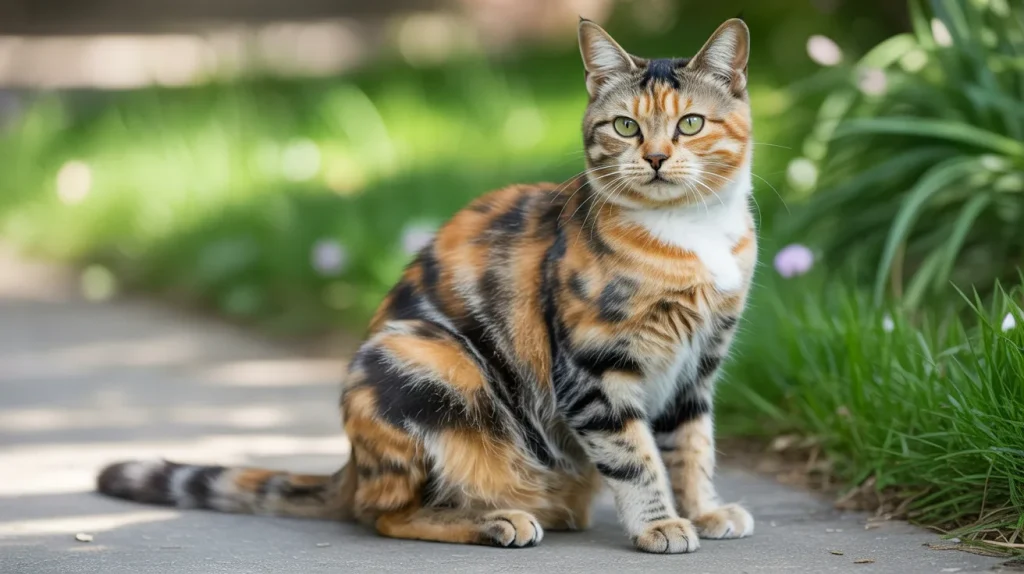
Imagine a cat with a coat that looks like an artist’s palette—swirls of orange, black, cream, and brown, all intertwined in beautiful tabby patterns. That’s a Tabby Tortoiseshell Cat. Often nicknamed “torties,” these cats are not just visually stunning—they are known for their strong personalities and playful energy.
Unlike purebred cats, Tabby Tortoiseshell Cats are defined more by their color pattern than breed, making them a diverse group of cats with unique looks and temperaments. Many cat owners swear by their “tortitude”—the spirited, sometimes sassy personality that makes these cats unforgettable companions.
Appearance and Coat Patterns
One of the first things that grabs attention in a Tabby Tortoiseshell Cat is the intricate pattern of its coat. Here’s what makes it unique:
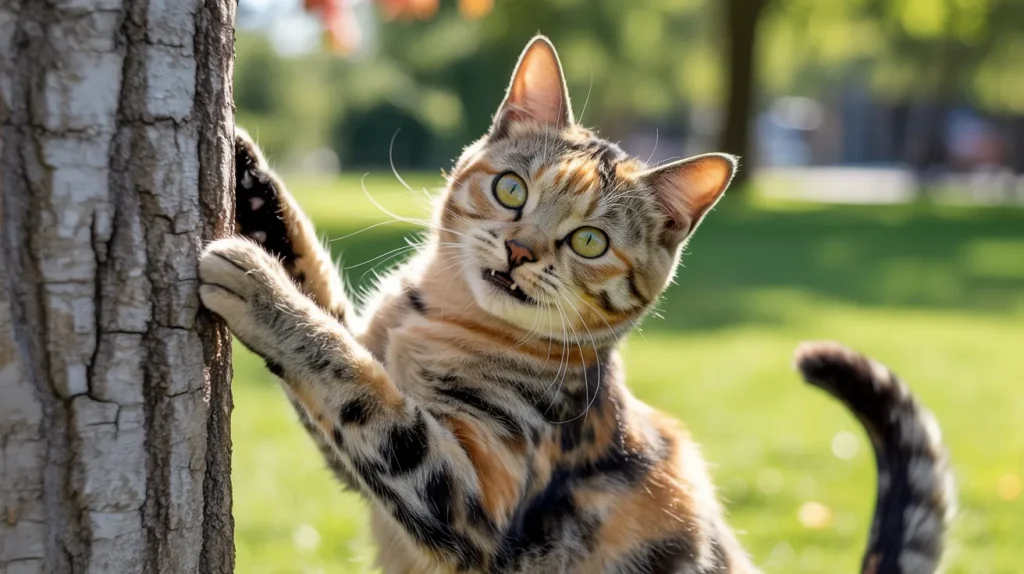
Tabby Patterns: The tabby influence gives these cats stripes, spots, or swirls along with the classic tortoiseshell colors. Patterns may appear as a “mackerel,” “classic swirl,” or “spotted” tabby.
Color Combination: Most tortie cats are a mix of black, brown, orange, and cream. The combination creates a mosaic-like pattern that is different in every cat.
Female Dominance: Almost all Tabby Tortoiseshell Cats are female due to genetics. Male torties are extremely rare, often with specific genetic conditions.
Fun Fact:
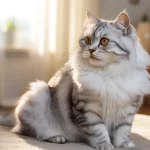
A diluted tortie has softer, pastel-like colors, often appearing grey, cream, and light orange, giving a completely different visual effect than a classic tortie.
Personality and Behavior
If you’ve ever spent time with a Tabby Tortoiseshell Cat, you know that their personality is as distinctive as their coat. Here’s what to expect:
Energetic and Playful: Tabby Tortoiseshell Cats love interactive play. Feather toys, laser pointers, and puzzle feeders are perfect for keeping them engaged.
Affectionate Yet Independent: These cats form strong bonds with their owners but often maintain a streak of independence. They’re happy to curl up beside you, then dash off on their own adventure moments later.
Sassy and Curious: Many owners describe torties as having “tortitude”—a mix of confidence, curiosity, and occasionally diva-like behavior.
Real-Life Case Study: I once adopted a Tabby Tortoiseshell named Luna. She had the softest orange and brown tabby swirls and immediately made herself the queen of the household. Luna loved climbing to the highest shelf in the living room to watch everything—and often meowed insistently when playtime was delayed. Over time, I learned to tailor her environment with climbing towers and puzzle toys, which kept her happy and mentally stimulated. Luna’s playful yet affectionate nature perfectly exemplifies the unique personality traits of this breed.
Generally, Tabby Tortoiseshell Cats are healthy and robust, but like any cat, they benefit from regular veterinary care.
Average Lifespan: 12–18 years with proper care.
Common Health Concerns: Routine issues like dental disease, obesity, and urinary tract infections may arise, but no unique genetic conditions are linked specifically to their coat pattern.
Preventive Care: Regular check-ups, vaccinations, and balanced nutrition are essential to maintain health and longevity.
Pro Tip: Monitor your Tabby Tortoiseshell Cat’s weight and activity level. These cats are often playful, but indoor-only torties may gain weight if under-stimulated.
Diet and Nutrition Tips
Feeding a Tabby Tortoiseshell Cat properly supports their health and personality:
High-Quality Protein: Cats are obligate carnivores, so protein-rich diets keep them energetic and healthy.
Wet and Dry Food Mix: Wet food supports hydration and kidney health, while dry food is convenient for dental care.
Avoid Human Snacks: Chocolate, onions, garlic, and avocado are toxic to cats. Stick to veterinarian-recommended treats.
Grooming and Care Guide
Despite their thick and colorful coats, Tabby Tortoiseshell Cats are relatively easy to groom:
Brushing: 1–2 times a week keeps shedding under control and maintains coat health.
Nail Trimming: Monthly trims prevent overgrowth and scratching damage.
Ear and Eye Care: Check for debris or discharge, especially in multi-pet households.
Conclusion: Why You’ll Love a Tabby Tortoiseshell Cat
Bringing a Tabby Tortoiseshell Cat into your home is a commitment to a playful, affectionate, and uniquely spirited companion. From their stunning tabby-tortie coat patterns to their engaging personalities, these cats enrich your home in ways few pets can.
Whether you’re a first-time cat owner or an experienced enthusiast, understanding their health, grooming, and dietary needs will help your tortie thrive for years. And, as Luna showed, a little attention and enrichment can make your Tabby Tortoiseshell Cat a cherished family member who keeps life exciting and full of love.
Learn more about caring for a Grayish White Cat and understanding its unique personality traits.
FAQs
Are tabby tortoiseshell cats rare?
Yes, they are less common, especially males, making them a unique and highly cherished companion for cat lovers.
What is the least wanted cat color?
Dark solid colors like black or brown are sometimes less preferred, while vibrant patterns like tabby tortoiseshell often attract more attention.
Can a cat be tabby and tortoiseshell?
Absolutely! A tabby tortoiseshell combines tabby stripes with tortie colors, creating a stunning and one-of-a-kind coat pattern.
How long do tabby tortoiseshell cats live?
With proper care, tabby tortoiseshell typically live 12–18 years, enjoying a healthy, playful life when well looked after.