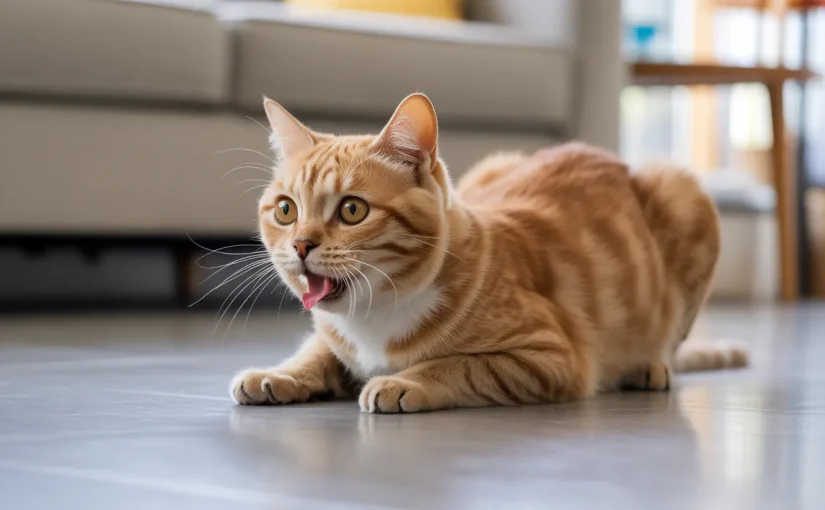
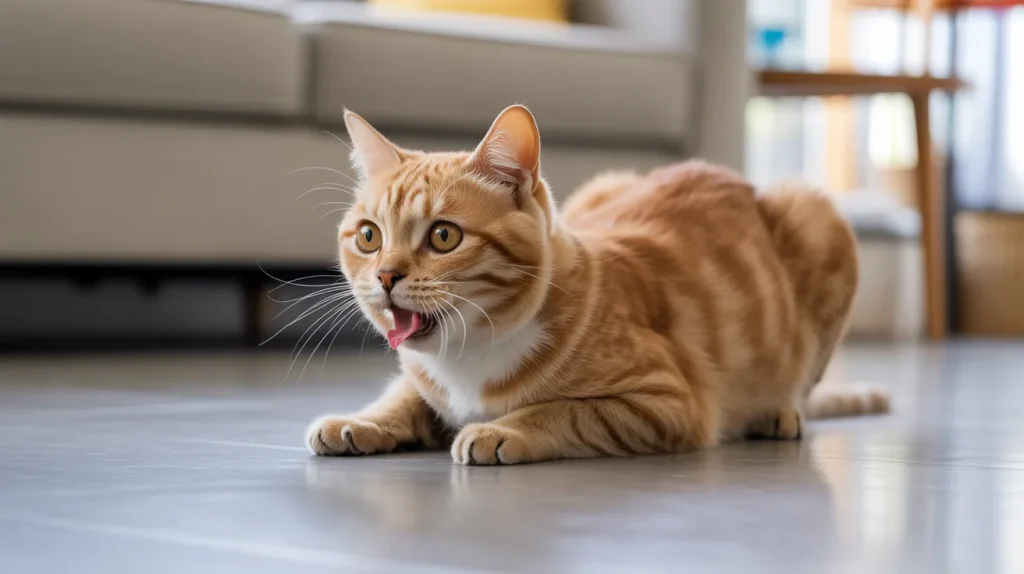
If you’ve ever walked into a room and found your cat has thrown up, you’re not alone. As a pet care writer and cat owner myself, I can say this is one of the most common concerns cat parents search for online. While occasional vomiting may not always be serious, frequent or unusual vomiting can signal an underlying issue that needs attention.
In this guide, we’ll break down everything you need to know about cat throwing up, including common causes, warning signs, treatment options, and a real-life case study to help you better understand what might be happening with your cat.
Content
Understanding Cat Throwing Up vs. Regurgitation
Before diving into causes, it’s important to understand what’s actually happening when your cat “throws up.”
Vomiting is an active process where the stomach forcefully expels food or liquid. It is usually preceded by signs like drooling, nausea, or retching.
Regurgitation, on the other hand, is more passive. Food comes back up without warning and is often undigested.
Many cat owners confuse the two, which can make it harder to identify the root cause of the issue.
Common Causes of Cat Throwing Up
There are several reasons why cats vomit, ranging from harmless to more serious conditions. Let’s go through the most common ones.
1. Hairballs
One of the most frequent causes of vomiting in cats is hairballs. Cats groom themselves regularly, and loose fur can accumulate in their stomach. When the body can’t pass it naturally, it’s expelled through vomiting.
This is usually normal unless it becomes very frequent.
2. Eating Too Fast
Some cats eat quickly and swallow air along with food. This can lead to stomach discomfort and vomiting shortly after meals.
A common concern from pet parents is: why is my cat throwing up after eating — and in many cases, fast eating is the answer.
3. Food Intolerance or Diet Change
Sudden changes in diet or sensitivity to certain ingredients can upset a cat’s digestive system. This often leads to cat food intolerance issues, including vomiting, diarrhea, or reduced appetite.
4. Eating Something They Shouldn’t
Cats are curious by nature. Sometimes they eat plants, plastic, or human food that doesn’t agree with their stomach, leading to vomiting episodes.
5. Underlying Health Conditions
More serious causes include:
Kidney disease
Liver problems
Parasites
Gastrointestinal infections
Inflammatory bowel disease
These often lead to recurring or chronic vomiting.
Different Types of Cat Vomit and What They Mean
The appearance of vomit can give clues about the problem.
Cat Throwing Up White Foam Causes
If you notice cat throwing up white foam causes, it often indicates an empty stomach, acid buildup, or mild gastritis. However, frequent foam vomiting should not be ignored.
Yellow Liquid Vomiting
If your cat vomits yellow fluid, it is usually bile. This commonly happens when a cat has not eaten for a while or has an irritated stomach.
Undigested Food Vomiting
When food appears whole or partially digested, it often suggests regurgitation, overeating, or eating too quickly.
When to Worry About Cat Throwing Up
Not all vomiting is an emergency, but there are clear warning signs every cat owner should know.
You should be concerned if:
Vomiting happens more than once a day
There is blood in vomit
Your cat is lethargic or weak
Loss of appetite continues
Weight loss is noticeable
A common search query many pet owners have is: when should I worry about my cat throwing up — and the answer is: whenever vomiting becomes frequent or is paired with behavioral changes.
If you are thinking, what to do if my cat keeps throwing up, here are safe and practical steps:
1. Monitor Frequency
Track how often your cat vomits and what it looks like.
2. Check Diet
Look for recent food changes or low-quality ingredients.
3. Slow Down Eating
Use slow-feeder bowls if your cat eats too quickly.
4. Hydration
Ensure your cat drinks enough water to avoid dehydration.
5. Vet Visit
If vomiting continues for more than 24–48 hours, consult a veterinarian.
Cat Throwing Up but Acting Normal – Should You Worry?
A common situation many cat owners face is: cat throwing up but acting normal what does it mean
In many cases, it may be something minor like hairballs or eating too fast. However, even if your cat seems fine, repeated vomiting should not be ignored. Cats are good at hiding discomfort, so behavior alone isn’t always reliable.
Real-Life Case Study: Bella the Indoor Tabby
Let me share a real example from my experience working with pet owners.
Bella, a 4-year-old indoor tabby cat, was brought in by her owner because she was vomiting 2–3 times a week. The owner initially thought it was normal hairball activity.
However, after a detailed history, we discovered:
She had recently switched to a new dry food brand
She was eating very quickly
Vomiting often occurred shortly after meals
We implemented a simple plan:
Gradual food transition back to her previous diet
Slow feeder bowl
Smaller, more frequent meals
Within two weeks, Bella’s vomiting reduced significantly and eventually stopped.
This case highlights how not all vomiting is disease-related — sometimes it’s just routine digestive stress.
Treatment Options for Cat Vomiting
Treatment depends on the underlying cause. Common veterinary approaches include:
Dietary adjustments
Deworming medication
Anti-nausea medication
Fluid therapy for dehydration
Diagnostic testing (blood tests, ultrasound)
Never give human medication to a cat without veterinary guidance.
Prevention Tips to Reduce Cat Vomiting
You can help reduce vomiting episodes by:
Feeding high-quality, easily digestible food
Avoiding sudden diet changes
Brushing your cat regularly to reduce hairballs
Using puzzle feeders for slow eating
Keeping toxic plants and objects out of reach
Conclusion
Cat vomiting is common, but it should never be ignored when it becomes frequent or unusual. While issues like hairballs or fast eating are often harmless, conditions like food intolerance or gastrointestinal disease require attention. Understanding symptoms, tracking patterns, and acting early can make a big difference in your cat’s health.
If you ever feel unsure, it’s always best to consult a veterinarian—because early care leads to better outcomes for your furry friend.
Learn more about the unique patterns, personality traits, and care tips of a Tabby Tortoiseshell Cat to better understand this beautiful mixed-coat feline.
FAQs
When should I be concerned about my cat throwing up?
You should be concerned if vomiting happens repeatedly, contains blood, or is paired with lethargy, weight loss, or loss of appetite. These may signal serious cat gastrointestinal issues needing vet attention.
What can I give my cat for throwing up?
You can offer small, bland meals and ensure hydration, but avoid giving human medication. If vomiting continues, consult a vet for proper treatment based on the cause of cat vomiting or digestive issues.
What is the most common reason for a cat to throw up?
The most common reason is hairballs or eating too fast. Other causes include food intolerance and mild stomach upset, which are common reasons behind cat throwing up episodes.
Is it normal for a cat to throw up occasionally?
Yes, occasional vomiting can be normal in cats, especially due to hairballs or eating too fast. However, frequent episodes may indicate cat digestive issues or food intolerance and should be monitored closely.