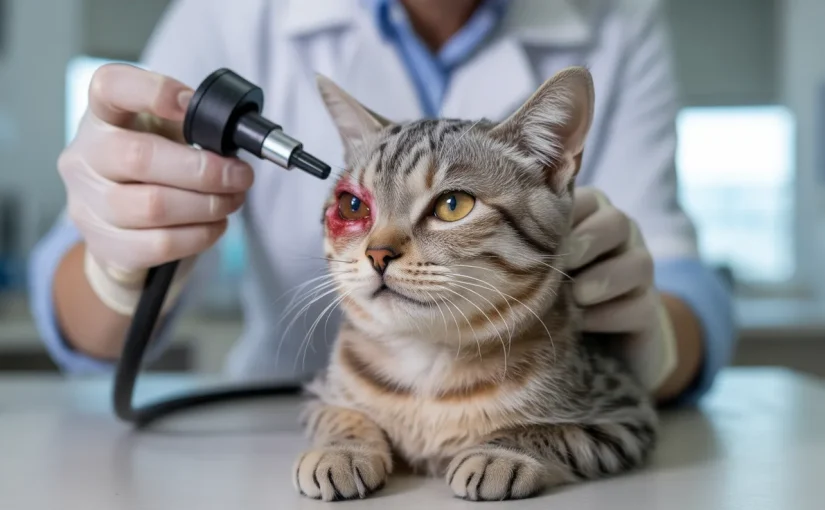
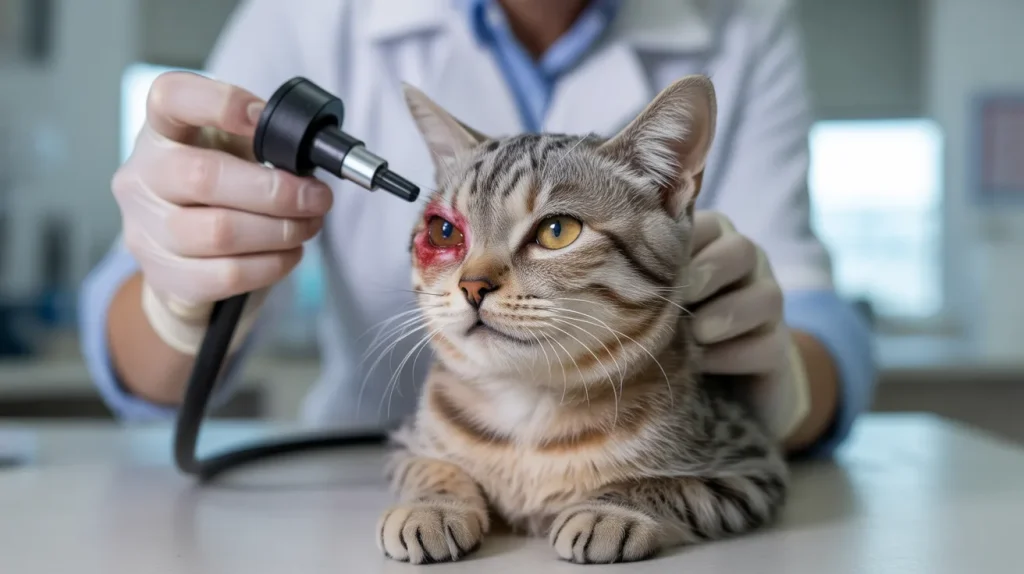
Cat eye problems are more common than most pet owners realize, and one of the most frequent issues is a cat eye infection. If you have ever noticed your cat squinting, tearing up, or rubbing its eyes, it can be concerning—and for good reason. Eye infections in cats can range from mild irritation to serious conditions that may affect vision if left untreated.
As someone experienced in pet care content writing and observing real-world cat health cases, I have seen how quickly a minor issue like watery eyes in cats can escalate when ignored. The good news is that most eye infections are highly treatable when identified early.
Content
What Is a Cat Eye Infection?
A cat eye infection occurs when bacteria, viruses, or irritants affect one or both eyes, leading to inflammation and discomfort. It is also commonly referred to as a feline eye infection, and in many cases, it is linked to inflammation of the eye lining known as conjunctivitis.
One of the earliest visible signs is cat eye discharge, which may appear clear, yellow, or green depending on severity. This discharge is often the first indication that something is wrong.
Common Symptoms of Cat Eye Infection
Recognizing symptoms early is essential because cats often hide discomfort. Small changes in behavior or appearance can signal an underlying problem.
Common symptoms include: Redness or swelling around the eyes Excessive tearing or watery eyes in cats Yellow or green eye discharge Squinting or keeping one eye partially closed Frequent pawing or rubbing of the eye Light sensitivity Crust formation around the eyelids after sleep
In kittens, symptoms may develop more quickly due to weaker immune systems. Eye infections in young cats should always be taken seriously.
Causes of Cat Eye Infection
There are multiple causes behind eye infections in cats, and identifying the root cause is important for effective treatment.
Bacterial Infection
A bacterial infection is one of the most common causes of bacterial eye infection in cats, often occurring after minor injuries or exposure to contaminated environments.
Viral Infection
Viruses such as feline herpesvirus can lead to recurring eye infections and chronic irritation.
Conjunctivitis
Also known as cat conjunctivitis, this condition causes inflammation of the eye’s protective lining and is frequently associated with redness and discharge.
Allergies and Irritants
Dust, smoke, perfumes, and cleaning chemicals can trigger irritation leading to symptoms similar to infection.
Physical Injury
Scratches or foreign particles in the eye can quickly lead to infection if not treated properly.
Is Cat Eye Infection Contagious?
A common concern among pet owners is whether the infection can spread. The answer depends on the cause.
Viral and bacterial infections can be contagious between cats, especially in shared environments. However, allergies or injuries are not contagious. In multi-cat households, it is important to isolate the affected cat until recovery to prevent spread.
Treatment Options for Cat Eye Infection
Treatment depends on the severity and underlying cause of the infection. Professional diagnosis is always recommended before starting treatment.
Veterinary Treatment
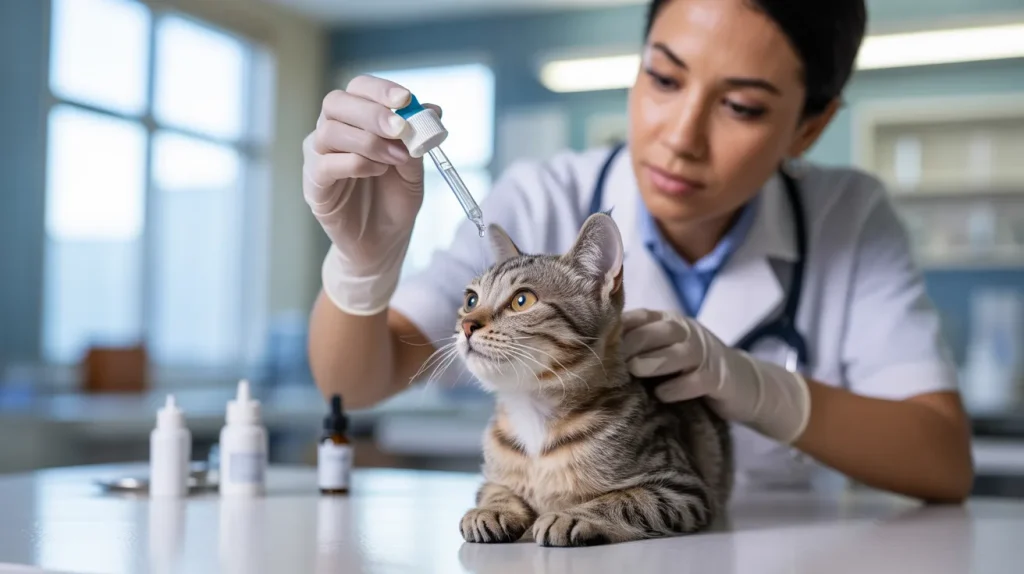
A veterinarian may prescribe: Antibiotic eye drops for bacterial infections Antiviral medications for viral conditions Anti-inflammatory drops to reduce swelling Pain relief medication when necessary
While many pet owners search for eye drops for cat eye infection, these should only be used under veterinary supervision.
Home Care Support
Supportive care at home can help improve recovery when combined with medical treatment: Gently cleaning the eye with sterile saline solution Keeping the cat’s environment clean and dust-free Preventing the cat from scratching or rubbing the eye Ensuring proper hygiene around the face area
Unverified home remedies for cat eye infection relief should be avoided, as they may worsen the condition.
Recovery time varies depending on the cause and severity of the infection.
Mild infections typically improve within 3 to 7 days after treatment begins. More severe bacterial or viral infections may take 2 to 4 weeks or longer. Kittens and older cats may require additional recovery time due to weaker immunity.
Real-Life Case Study: Luna’s Eye Infection Recovery
A young kitten named Luna developed early signs of eye irritation, starting with mild cat eye redness. Within two days, the condition progressed to thick yellow discharge and swelling.
Initially, the owner assumed it was minor irritation caused by dust. However, when the symptoms worsened, a veterinary examination confirmed a bacterial eye infection in cats, likely caused by a small scratch.
The treatment plan included antibiotic eye drops twice daily, gentle cleaning with sterile saline, and temporary isolation from other pets. Noticeable improvement was seen within five days, and full recovery occurred within ten days.
This case highlights the importance of early intervention. Even minor symptoms like watery eyes in cats can indicate a developing infection.
Prevention Tips for Cat Eye Infections
Preventing eye infections is always more effective than treating them.
Maintain a clean living environment for your cat Ensure regular vaccinations and vet checkups Avoid exposure to smoke, dust, or strong chemicals Trim nails to reduce risk of eye scratches Monitor early signs of cat eye problems Separate sick cats from healthy ones in multi-pet homes
Consistent care significantly reduces the risk of infection.
When to See a Vet
Immediate veterinary attention is necessary if: Symptoms persist for more than 48 hours Thick yellow or green discharge is present The eye appears cloudy or severely swollen The cat shows signs of pain or light sensitivity
Delaying treatment can lead to complications and possible vision damage.
Final Thoughts
A cat eye infection may begin as a minor issue, but it should never be ignored. Whether caused by bacteria, viruses, or environmental irritants, early detection plays a crucial role in successful recovery.
From practical experience, most cases of cat eye infection recover quickly when treated on time. Symptoms such as watery eyes in cats or cat eye discharge should always be taken seriously.
Learn more about related digestive issues in cats by reading our detailed guide on Cat Throwing Up, including causes, symptoms, and treatment options.
FAQs
How can I treat a cat eye infection at home?
Gently clean the eye with sterile saline and keep the area clean, but always consult a vet before using any treatment.
Will a cat eye infection heal on its own?
Some mild cases may improve, but most cat eye infections need vet treatment to prevent worsening or complications.
How would my indoor cat get an eye infection?
Indoor cats can get infections from bacteria, viruses, dust, allergens, or scratches, even without outdoor exposure.
How does a cat eye infection look like?
It often appears as redness, swelling, watery eyes, and yellow or green discharge with possible squinting or discomfort.